What to bring to the brief
Bring footage from the same property at each stage and let the roofing professional approve technical descriptions. Film from safe positions; aerial footage is a separate production decision.
Roofing marketing in Denver turns real roofing projects into video stories, useful service content and campaigns aimed at the estimates your company can deliver.
Identify repair versus replacement, the property’s location and the type of building. Keep insurance questions and inspection conclusions with the appropriate professionals.
Your people.
Your process.
Your point of view.
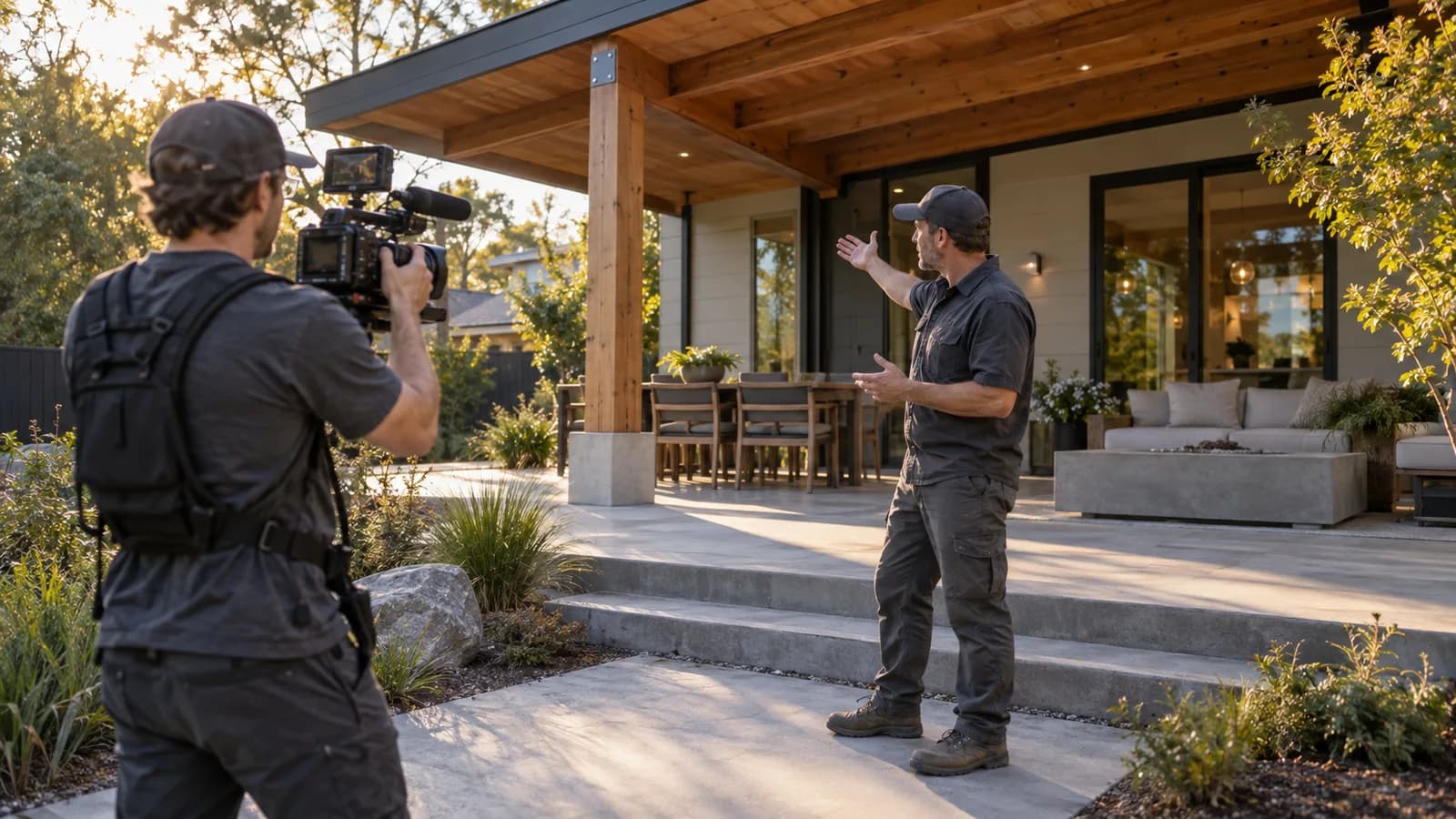
Document the customer’s original question, how your roofer explains the options and the finished result. Safe detail shots and a ground-level interview can communicate care and process without staging a dangerous camera position.
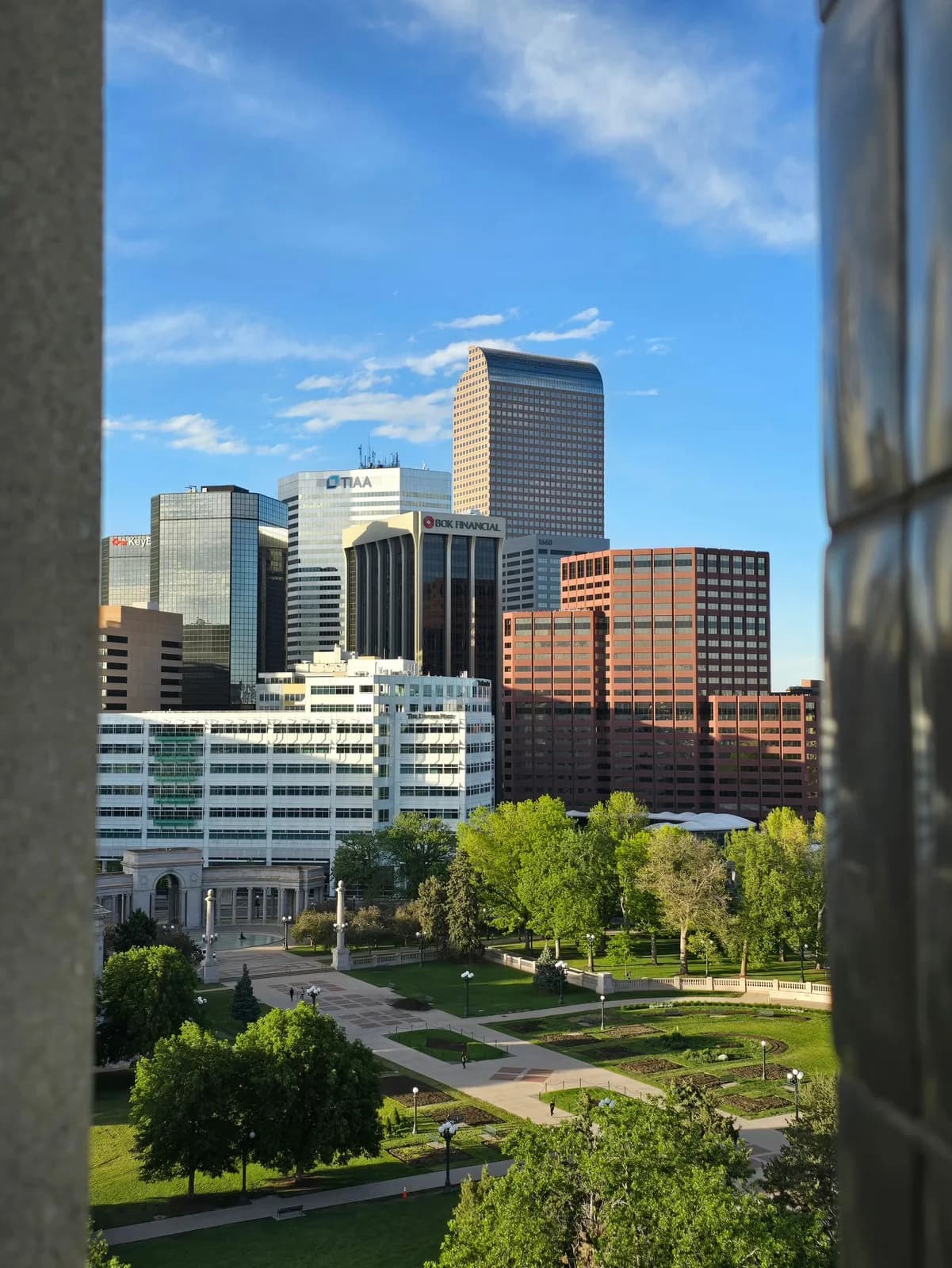
Capitol Hill, Uptown and Washington Park help define a Denver brief at neighborhood level. Choose the actual property and service first, then plan the message and follow-up around that customer situation.
Choose a south metro, east-side or west metro cluster; mountain travel is a separate coverage decision. Use seasonal customer questions when they match your professional expertise and actual service. Evergreen interviews can support the plan, but offers and availability should be rechecked before reuse. Confirm the property city before booking. Metro service does not automatically include mountain travel, and weather or route constraints may change which appointment times are practical.
Plan Littleton and Centennial stops as a practical south metro route when appropriate. Confirm weather alternatives and an indoor interview. A mountain-town shoot needs separately agreed travel and availability.
Explore the Denver marketing plan →Use a ground-level interview and approved project details to explain assessment, options and cleanup. Keep a repair inquiry separate from a full replacement story so customers recognize the service they need to discuss.
For a Capitol Hill project, make the property type part of the story. A service at a business, an individual home or a managed building may involve different people and access arrangements even within the same neighborhood.
Confirm who can approve filming, where the interview can take place and which parts of the process can be shown. Let those details determine the shot list.
Visit Denver neighborhood guide →Bring footage from the same property at each stage and let the roofing professional approve technical descriptions. Film from safe positions; aerial footage is a separate production decision.
Ask about property type, location and the requested assessment. Leave condition findings, insurance questions and the final scope to the appropriate professionals.
Proposed approach, not a completed client project. We build the final brief around your real work and agreed coverage.
Identify repair versus replacement, the property’s location and the type of building. Keep insurance questions and inspection conclusions with the appropriate professionals.
Do not promise insurance coverage, claim storm damage without assessment or put filming ahead of roof safety. Drone work requires a separately confirmed, appropriate operator and scope.
For the next step, connect the real project footage to a clear inquiry page and a response process your team can support.
Distinguish general inquiries from qualified inspections, estimates and signed jobs. Review crew capacity and project scope before seeking more volume.
Views, leads and confirmed sales tell different parts of the story. Available reporting depends on account access and setup. Complete customer attribution and AI call handling remain in development.
See current reporting availability →Good to know
Identify repair versus replacement, the property’s location and the type of building. Keep insurance questions and inspection conclusions with the appropriate professionals. Confirm the property city before booking. Metro service does not automatically include mountain travel, and weather or route constraints may change which appointment times are practical.
Plan Littleton and Centennial stops as a practical south metro route when appropriate. Confirm weather alternatives and an indoor interview. A mountain-town shoot needs separately agreed travel and availability. A useful starting story: a ground-level explanation of the roofing inspection process. Do not promise insurance coverage, claim storm damage without assessment or put filming ahead of roof safety. Drone work requires a separately confirmed, appropriate operator and scope.
For a proposed project in Capitol Hill: Use a ground-level interview and approved project details to explain assessment, options and cleanup. Keep a repair inquiry separate from a full replacement story so customers recognize the service they need to discuss. Confirm who can approve filming, where the interview can take place and which parts of the process can be shown. Let those details determine the shot list. This is a planning example, not a completed client project.
Make the distinction between Denver metro and mountain service explicit. Useful local context should clarify what the customer can book rather than imply an office or crew in every named town. Document the customer’s original question, how your roofer explains the options and the finished result. Safe detail shots and a ground-level interview can communicate care and process without staging a dangerous camera position.
Answer a few questions about your business, then choose a time to discuss your roofing marketing plan.
Agency fees and advertising spend are agreed separately. We confirm scope, coverage and delivery before work starts.