What to bring to the brief
Bring footage from the same property at each stage and let the roofing professional approve technical descriptions. Film from safe positions; aerial footage is a separate production decision.
Roofing marketing in Raleigh turns real roofing projects into video stories, useful service content and campaigns aimed at the estimates your company can deliver.
Identify repair versus replacement, the property’s location and the type of building. Keep insurance questions and inspection conclusions with the appropriate professionals.
Your people.
Your process.
Your point of view.
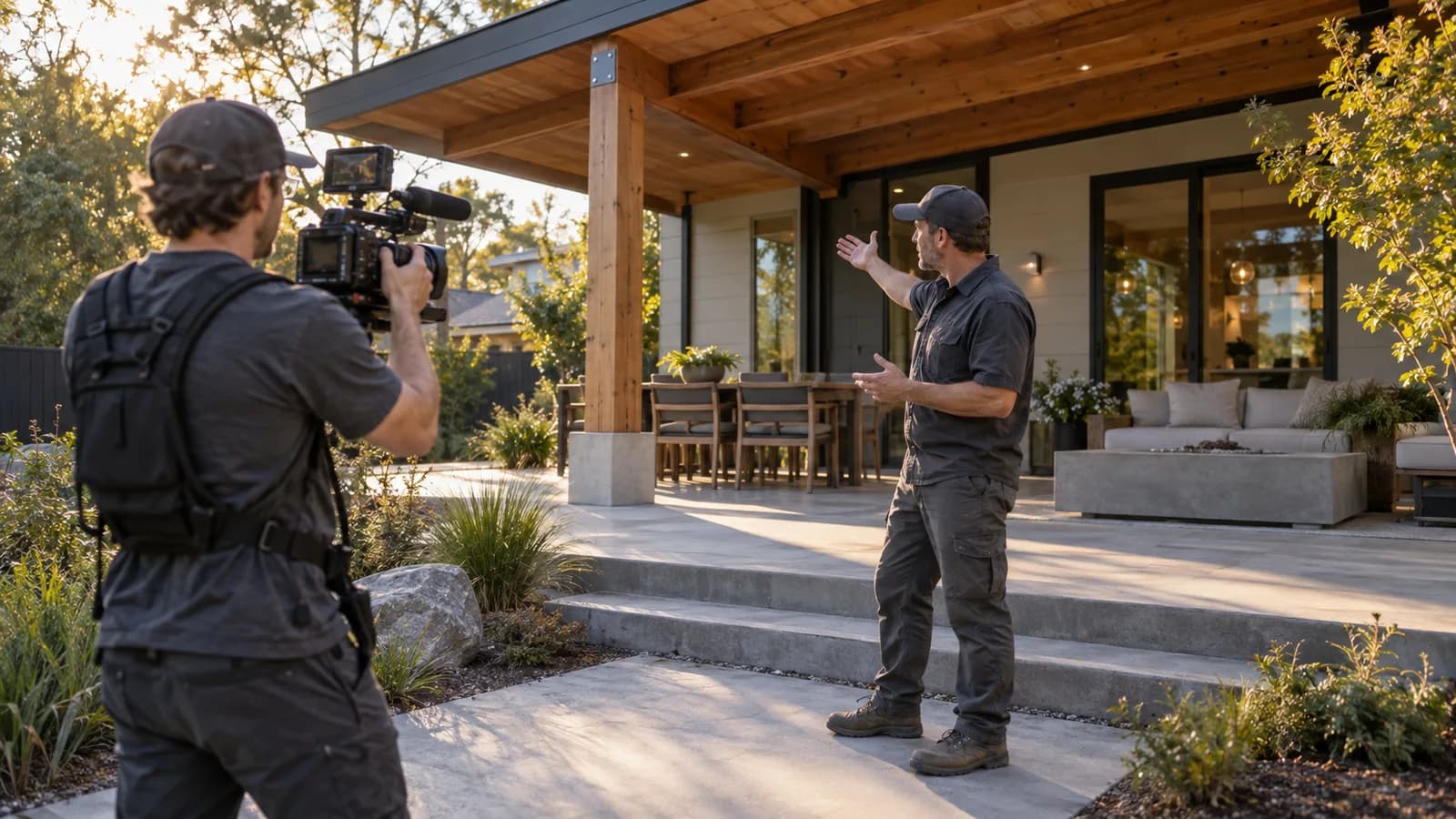
Document the customer’s original question, how your roofer explains the options and the finished result. Safe detail shots and a ground-level interview can communicate care and process without staging a dangerous camera position.
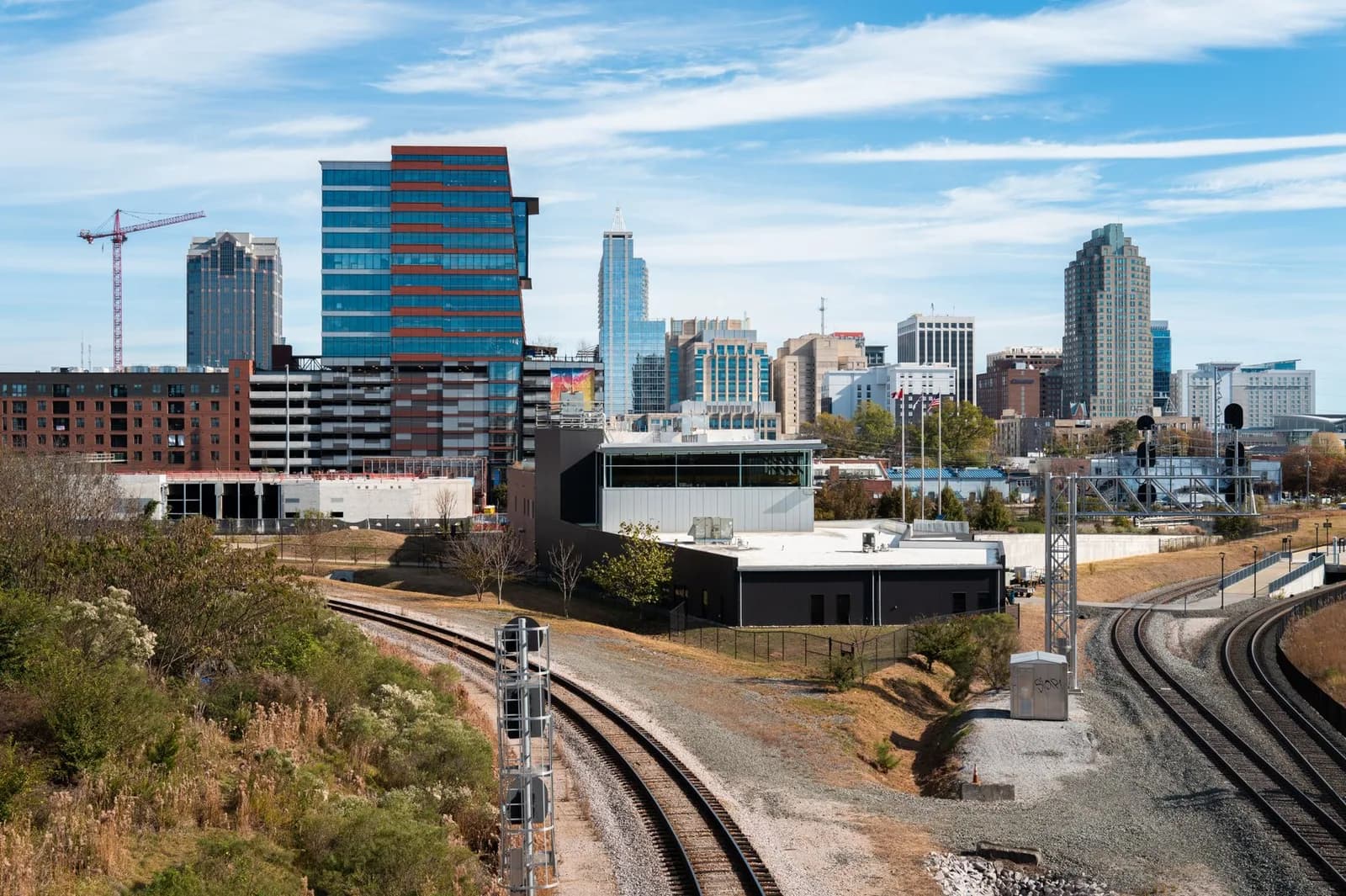
Historic Oakwood, Five Points and the Warehouse District give Raleigh content three concrete settings. Choose the setting that matches the business and explain what the customer can actually arrange there.
Choose Raleigh and nearby work, Cary and Apex, or a separately planned Durham territory. Build the story around the services you actually deliver in the Triangle. A Cary project and a Raleigh customer question can support related content with distinct context and a clear route to the right service. Ask which Triangle city the property is in and confirm the requested service. Raleigh, Apex and Durham requests may have different appointment implications for the same crew.
A Raleigh interview and a Cary project can form a focused shoot brief. Add Durham or Chapel Hill only when the story and travel plan justify the stop, rather than treating the whole Triangle as one small filming location.
Explore the Raleigh marketing plan →Use a ground-level interview and approved project details to explain assessment, options and cleanup. Keep a repair inquiry separate from a full replacement story so customers recognize the service they need to discuss.
Historic Oakwood is known for its older homes near downtown Raleigh. A project story can explain how your professional approaches the customer’s specific goals while showing the workmanship and choices at the actual property.
Let the expert identify the relevant project details. Record the customer’s question and the reason for the chosen approach without generalizing about the condition of neighboring homes.
Visit Raleigh neighborhood guide →Bring footage from the same property at each stage and let the roofing professional approve technical descriptions. Film from safe positions; aerial footage is a separate production decision.
Ask about property type, location and the requested assessment. Leave condition findings, insurance questions and the final scope to the appropriate professionals.
Proposed approach, not a completed client project. We build the final brief around your real work and agreed coverage.
Identify repair versus replacement, the property’s location and the type of building. Keep insurance questions and inspection conclusions with the appropriate professionals.
Do not promise insurance coverage, claim storm damage without assessment or put filming ahead of roof safety. Drone work requires a separately confirmed, appropriate operator and scope.
For the next step, connect the real project footage to a clear inquiry page and a response process your team can support.
Distinguish general inquiries from qualified inspections, estimates and signed jobs. Review crew capacity and project scope before seeking more volume.
Views, leads and confirmed sales tell different parts of the story. Available reporting depends on account access and setup. Complete customer attribution and AI call handling remain in development.
See current reporting availability →Good to know
Identify repair versus replacement, the property’s location and the type of building. Keep insurance questions and inspection conclusions with the appropriate professionals. Ask which Triangle city the property is in and confirm the requested service. Raleigh, Apex and Durham requests may have different appointment implications for the same crew.
A Raleigh interview and a Cary project can form a focused shoot brief. Add Durham or Chapel Hill only when the story and travel plan justify the stop, rather than treating the whole Triangle as one small filming location. A useful starting story: a ground-level explanation of the roofing inspection process. Do not promise insurance coverage, claim storm damage without assessment or put filming ahead of roof safety. Drone work requires a separately confirmed, appropriate operator and scope.
For a proposed project in Historic Oakwood: Use a ground-level interview and approved project details to explain assessment, options and cleanup. Keep a repair inquiry separate from a full replacement story so customers recognize the service they need to discuss. Let the expert identify the relevant project details. Record the customer’s question and the reason for the chosen approach without generalizing about the condition of neighboring homes. This is a planning example, not a completed client project.
Clarify how Raleigh coverage relates to Cary, Apex and other accepted Triangle areas. Publish distinct service explanations with accurate location context instead of treating every city as interchangeable. Document the customer’s original question, how your roofer explains the options and the finished result. Safe detail shots and a ground-level interview can communicate care and process without staging a dangerous camera position.
Answer a few questions about your business, then choose a time to discuss your roofing marketing plan.
Agency fees and advertising spend are agreed separately. We confirm scope, coverage and delivery before work starts.