What to bring to the brief
Bring your accepted service area, working hours and the questions your team already uses to qualify a job. Identify out-of-area requests, unsuitable work and duplicate submissions separately.
As a lead generation agency serving Houston, our team helps service businesses build a path from relevant content and advertising to inquiries they can qualify and follow up.
Tell us which jobs you want, minimum scope where relevant, areas served, response hours and who handles incoming inquiries. Share existing lead sources and known problems so the first test addresses a specific bottleneck.

Define a useful lead before choosing the channel. We agree territory, service categories, capacity and follow-up ownership. Creative and the destination explain the same offer. Campaign reviews consider lead quality and recorded outcomes alongside platform metrics.
A Houston brief can distinguish the Heights, Montrose and the Museum District from the suburban routes a company also serves. Start with one offer and the part of the city where the team can deliver it reliably.
Pick a service corridor such as Katy and Cypress, a south-side cluster or the company’s actual Houston territory. Ask for city or service-area information before arranging a visit. The Woodlands, Pearland and Katy can create different travel commitments, so qualified inquiries need a realistic response plan.
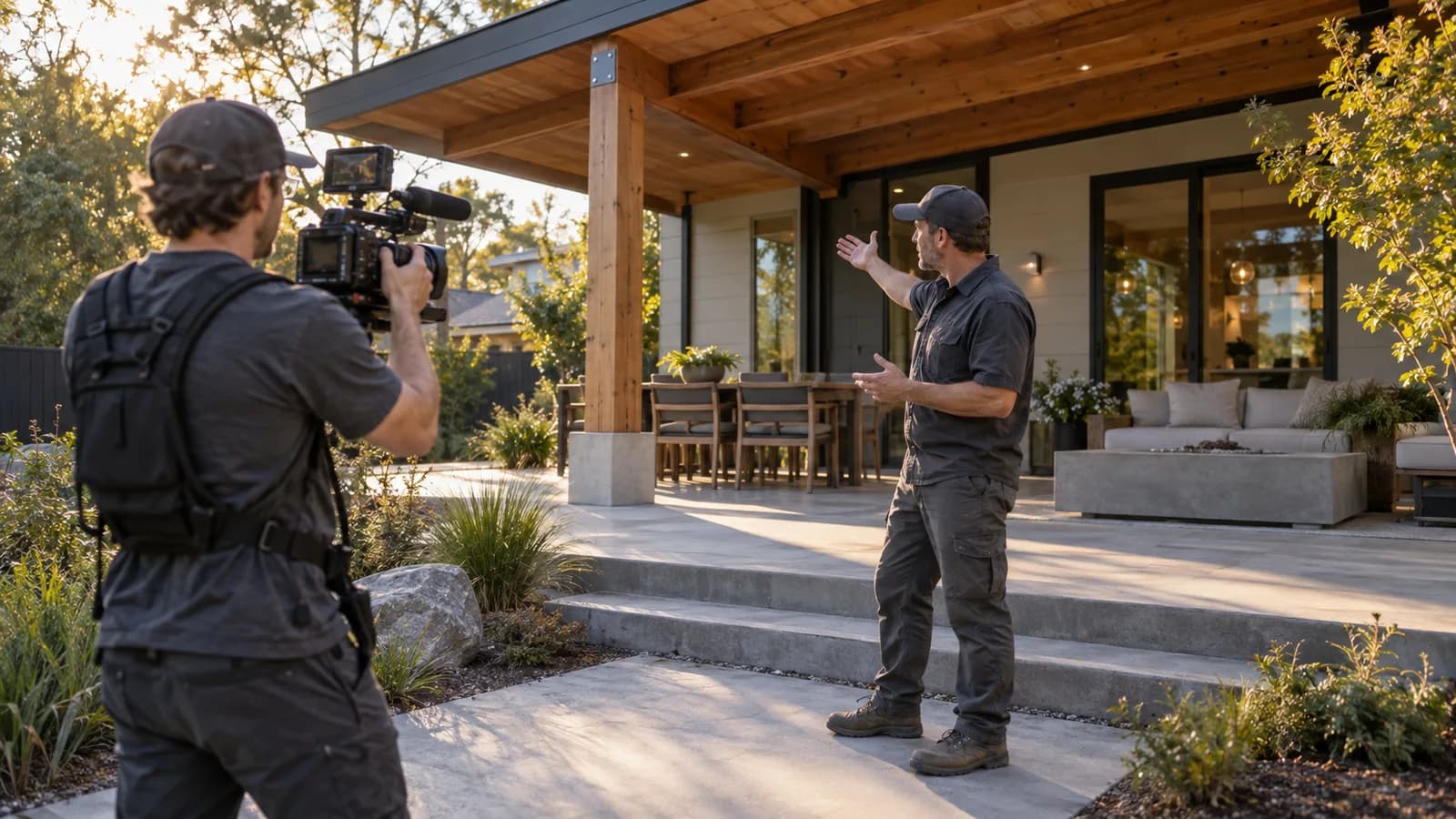
Group shoot stops by corridor. A Katy project, a Pearland job and an interview in The Woodlands require an explicit travel plan; select the strongest nearby examples and leave room for worksite access and weather changes.
Explore the Houston marketing plan →Write down the work you want, the area you can reach and the person who responds. Then walk through an example inquiry from first contact to a decision about whether to arrange an appointment.
For Museum District inquiries, clarify the property and service type before deciding what the campaign should say. A business premises, managed property and private home can require different access conversations even within the same area.
Ask who will authorize the work and arrange entry, then collect detailed access information privately. Keep the public page focused on accepted work and the process for requesting it.
Visit Houston: Museum District →Bring your accepted service area, working hours and the questions your team already uses to qualify a job. Identify out-of-area requests, unsuitable work and duplicate submissions separately.
Keep the initial form short enough to complete, then collect appointment details during follow-up. Review qualified inquiries, booked visits and completed jobs as separate stages wherever records are available.
Proposed approach, not a completed client project. We build the final brief around your real work and agreed coverage.
A contractor seeking larger installation projects needs a different form from a business filling recurring maintenance appointments. Ask only the questions needed to route the inquiry, then make the expected response clear.
For the next step, connect the real project footage to a clear inquiry page and a response process your team can support.
Track submitted inquiries separately from qualified leads, appointments and confirmed sales. Connected attribution depends on available systems and permissions; missing evidence remains unknown. We do not guarantee a lead count or revenue outcome.
Views, leads and confirmed sales tell different parts of the story. Available reporting depends on account access and setup. Complete customer attribution and AI call handling remain in development.
See current reporting availability →Good to know
Tell us which jobs you want, minimum scope where relevant, areas served, response hours and who handles incoming inquiries. Share existing lead sources and known problems so the first test addresses a specific bottleneck. For this market: Ask for city or service-area information before arranging a visit. The Woodlands, Pearland and Katy can create different travel commitments, so qualified inquiries need a realistic response plan.
Agree the initial corridor, exclusions and response capacity. State that footprint in the offer and qualification questions, then review incoming locations before extending coverage. Define a useful lead before choosing the channel. We agree territory, service categories, capacity and follow-up ownership. Creative and the destination explain the same offer. Campaign reviews consider lead quality and recorded outcomes alongside platform metrics.
For a proposed project in Museum District: Write down the work you want, the area you can reach and the person who responds. Then walk through an example inquiry from first contact to a decision about whether to arrange an appointment. Ask who will authorize the work and arrange entry, then collect detailed access information privately. Keep the public page focused on accepted work and the process for requesting it. This is a planning example, not a completed client project.
Track submitted inquiries separately from qualified leads, appointments and confirmed sales. Connected attribution depends on available systems and permissions; missing evidence remains unknown. We do not guarantee a lead count or revenue outcome. Ask for city or service-area information before arranging a visit. The Woodlands, Pearland and Katy can create different travel commitments, so qualified inquiries need a realistic response plan.
Answer a few questions about your business, then choose a time to discuss your lead generation plan.
Agency fees and advertising spend are agreed separately. We confirm scope, coverage and delivery before work starts.