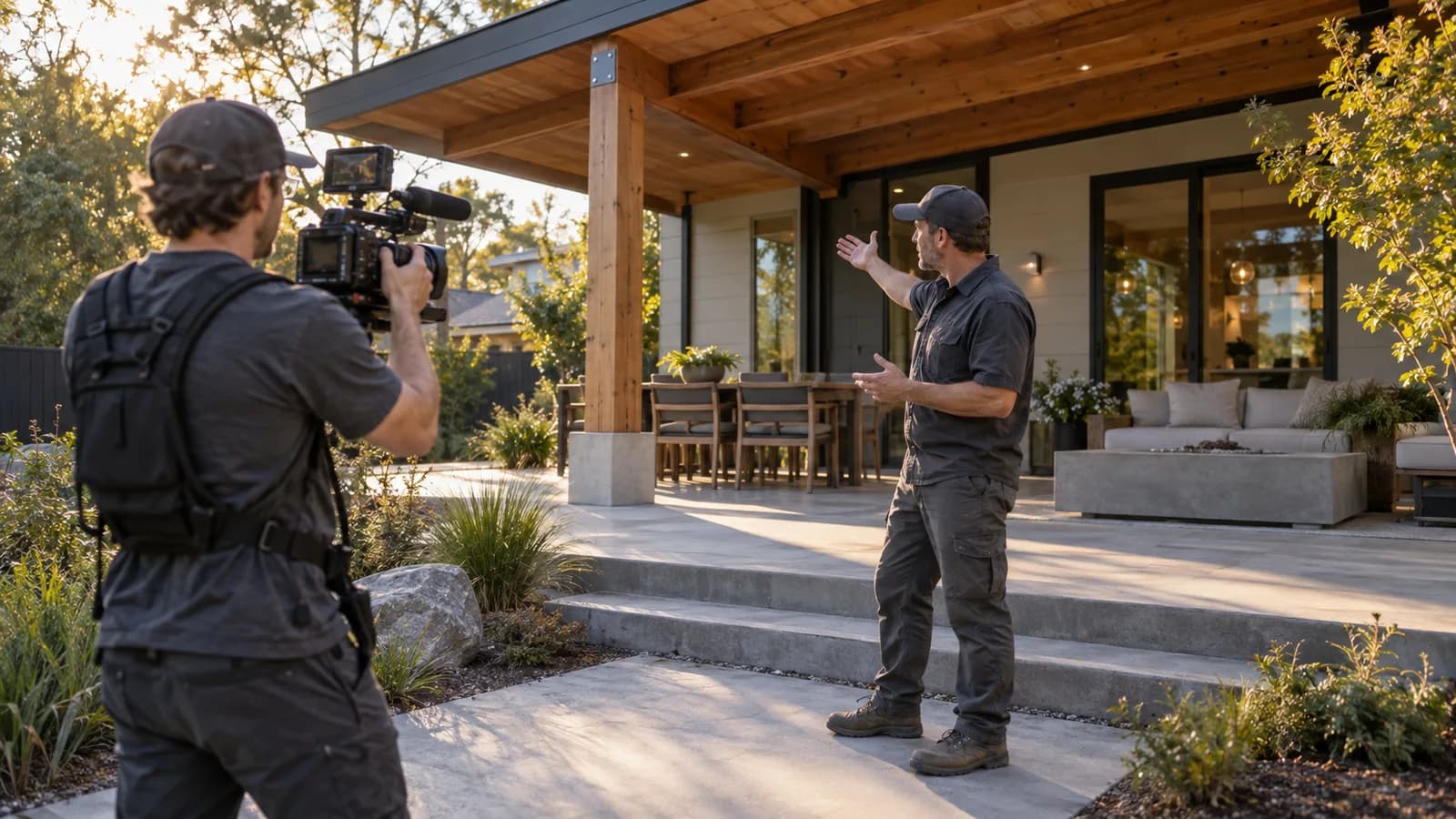
What to bring to the brief
Bring a real demonstration, approved claims and the exact service being advertised. Capture clean close-ups and an understandable spoken explanation. Design captions and framing around the agreed placements.
Video ad production services in Austin turn your real footage and customer questions into creative designed for a specific advertising test.
Bring the offer, target service area, landing page, footage and any platform restrictions. We confirm whether filming, editing, ad setup and ongoing management are part of the same engagement or separately scoped.
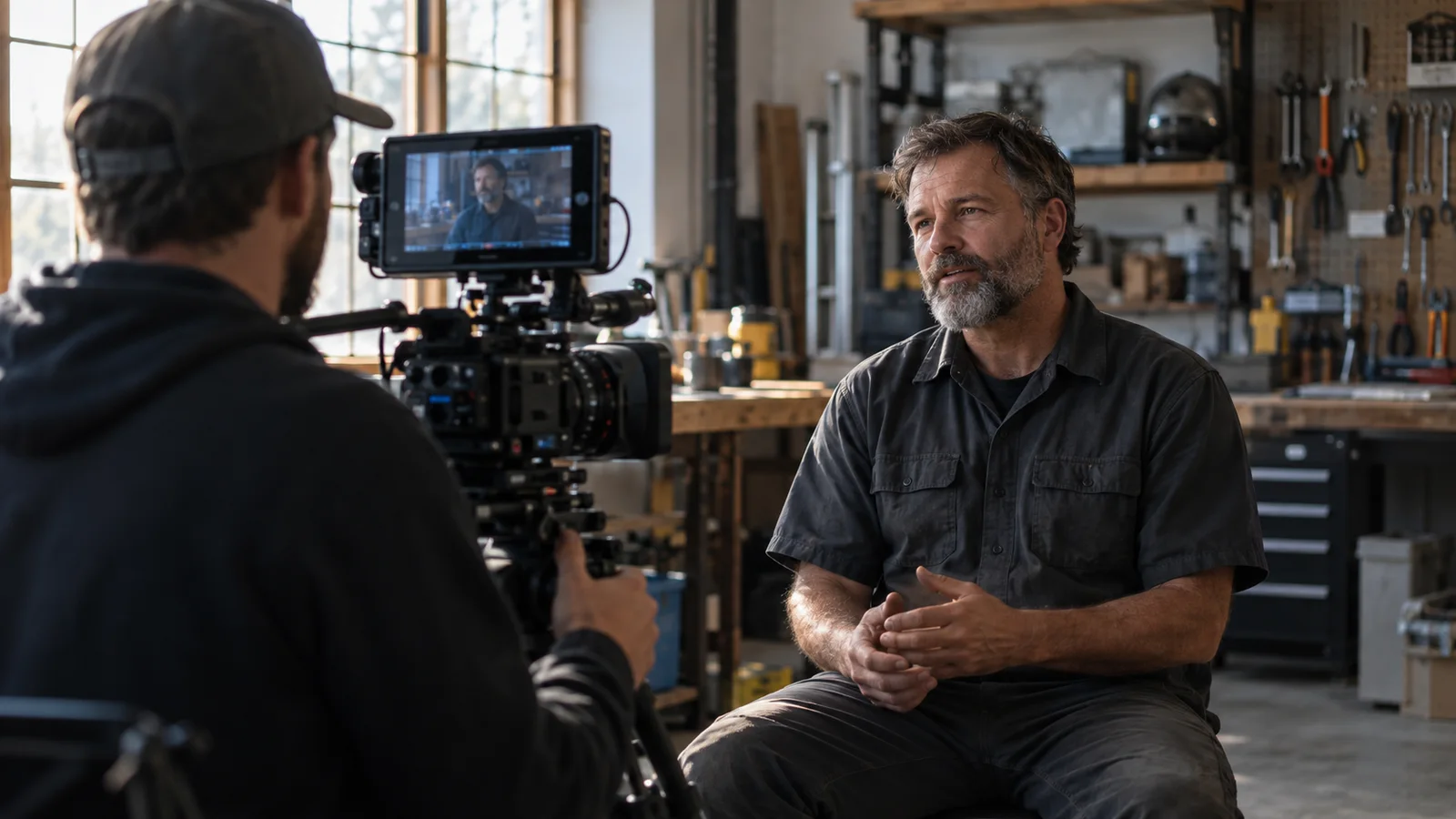
Website video / Social clips / Ad creative
Start with one decision the viewer needs to make. We identify the problem, show relevant evidence and explain the next step. Versions change an intentional variable, such as the opening question or offer, so the campaign review has something useful to compare.
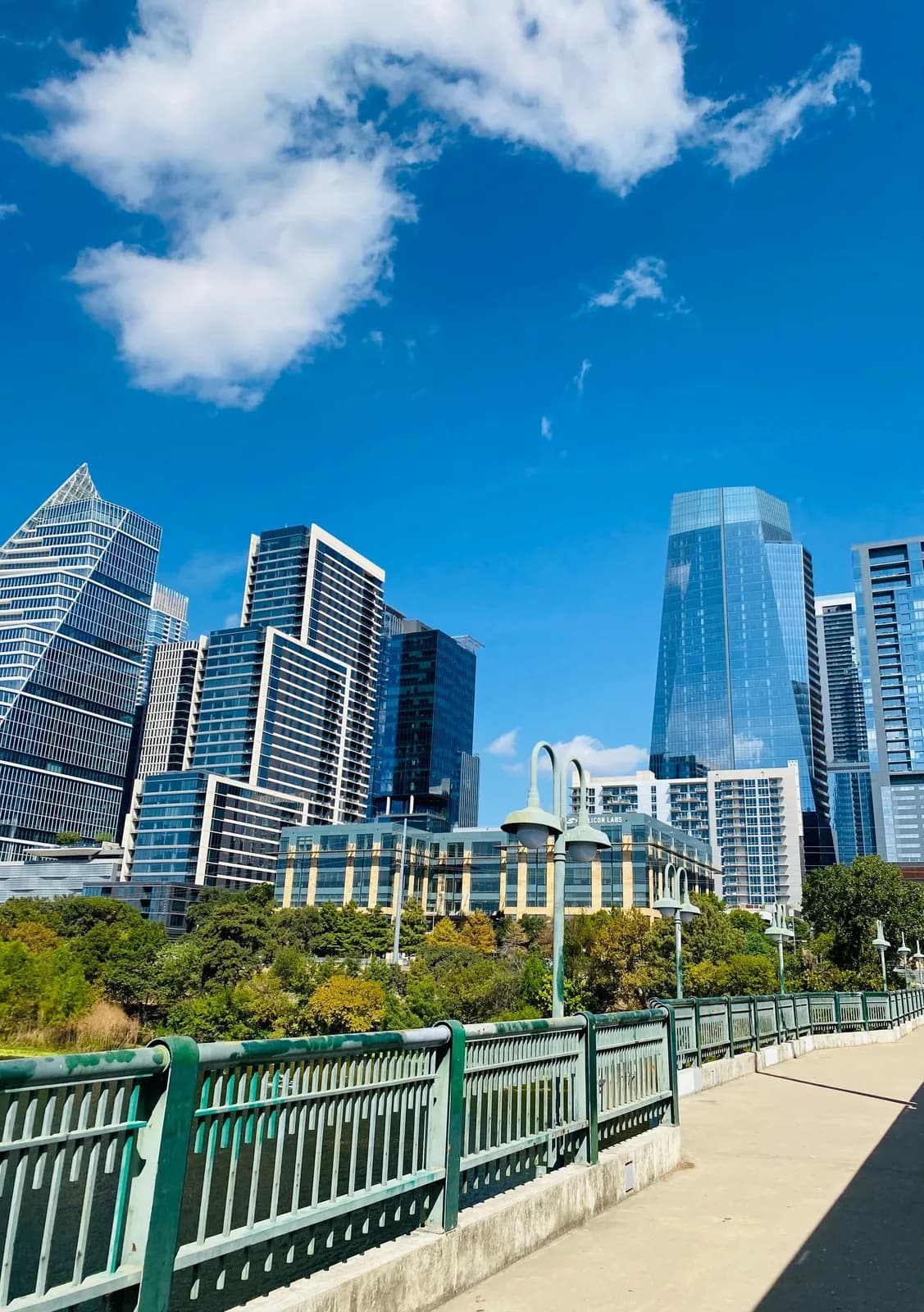
Hyde Park, Mueller and South Congress support different kinds of Austin business stories. Use the real project and customer journey to decide whether the content explains work at a property, introduces a team or invites a visit.
Choose Austin proper, a north metro cluster or a south-side territory around the work your team actually accepts. Use the owner’s expertise to explain the choices behind a project. A Round Rock installation and an Austin remodel can answer different customer questions while still connecting to the same honest company story.
Plan Round Rock and Cedar Park jobs together when the north metro is the priority. A south Austin stop belongs in the schedule only when it adds a distinct story and leaves enough time for the interview and detail shots.
Explore the Austin marketing plan →Create one opening led by the customer’s question and another led by a visible project detail. Keep the offer and destination consistent so the creative comparison has a clear purpose.
Mueller is a distinct Austin neighborhood on the former municipal airport site. A useful business story can show a service process or introduce the people doing the work while keeping the customer’s actual question at the center.
Plan a short explanation that stands on its own, then use project details to support it. Check whether the proposed scene is at your premises, a customer’s property or another location requiring permission.
Visit Austin neighborhood guide →Bring a real demonstration, approved claims and the exact service being advertised. Capture clean close-ups and an understandable spoken explanation. Design captions and framing around the agreed placements.
Define the action the ad asks for before editing. A request for a site assessment needs a different promise from a recurring-service inquiry; the landing page should explain that distinction.
Proposed approach, not a completed client project. We build the final brief around your real work and agreed coverage.
One project walkthrough could support an owner-led explanation, a process-led cut and a concise finished-project version. The underlying project stays the same, and the campaign tests which explanation earns a more useful response.
For the next step, connect the real project footage to a clear inquiry page and a response process your team can support.
Evaluate creative alongside the audience, spend and destination. Use available watch and click data to learn about attention, then review actual inquiry quality before treating a cheaper click as an improvement.
Views, leads and confirmed sales tell different parts of the story. Available reporting depends on account access and setup. Complete customer attribution and AI call handling remain in development.
See current reporting availability →Good to know
Bring the offer, target service area, landing page, footage and any platform restrictions. We confirm whether filming, editing, ad setup and ongoing management are part of the same engagement or separately scoped. For this market: Use the owner’s expertise to explain the choices behind a project. A Round Rock installation and an Austin remodel can answer different customer questions while still connecting to the same honest company story.
Yes, when those cities match the business’s service territory. Center the project examples, campaign wording and qualification around that cluster, and agree any broader Austin coverage separately. Start with one decision the viewer needs to make. We identify the problem, show relevant evidence and explain the next step. Versions change an intentional variable, such as the opening question or offer, so the campaign review has something useful to compare.
For a proposed project in Mueller: Create one opening led by the customer’s question and another led by a visible project detail. Keep the offer and destination consistent so the creative comparison has a clear purpose. Plan a short explanation that stands on its own, then use project details to support it. Check whether the proposed scene is at your premises, a customer’s property or another location requiring permission. This is a planning example, not a completed client project.
Evaluate creative alongside the audience, spend and destination. Use available watch and click data to learn about attention, then review actual inquiry quality before treating a cheaper click as an improvement. Confirm property location and project scope together. A request from a distant part of the metro may need a different appointment slot or travel decision than work near the crew’s normal route.
Answer a few questions about your business, then choose a time to discuss your video ad production plan.
Agency fees and advertising spend are agreed separately. We confirm scope, coverage and delivery before work starts.