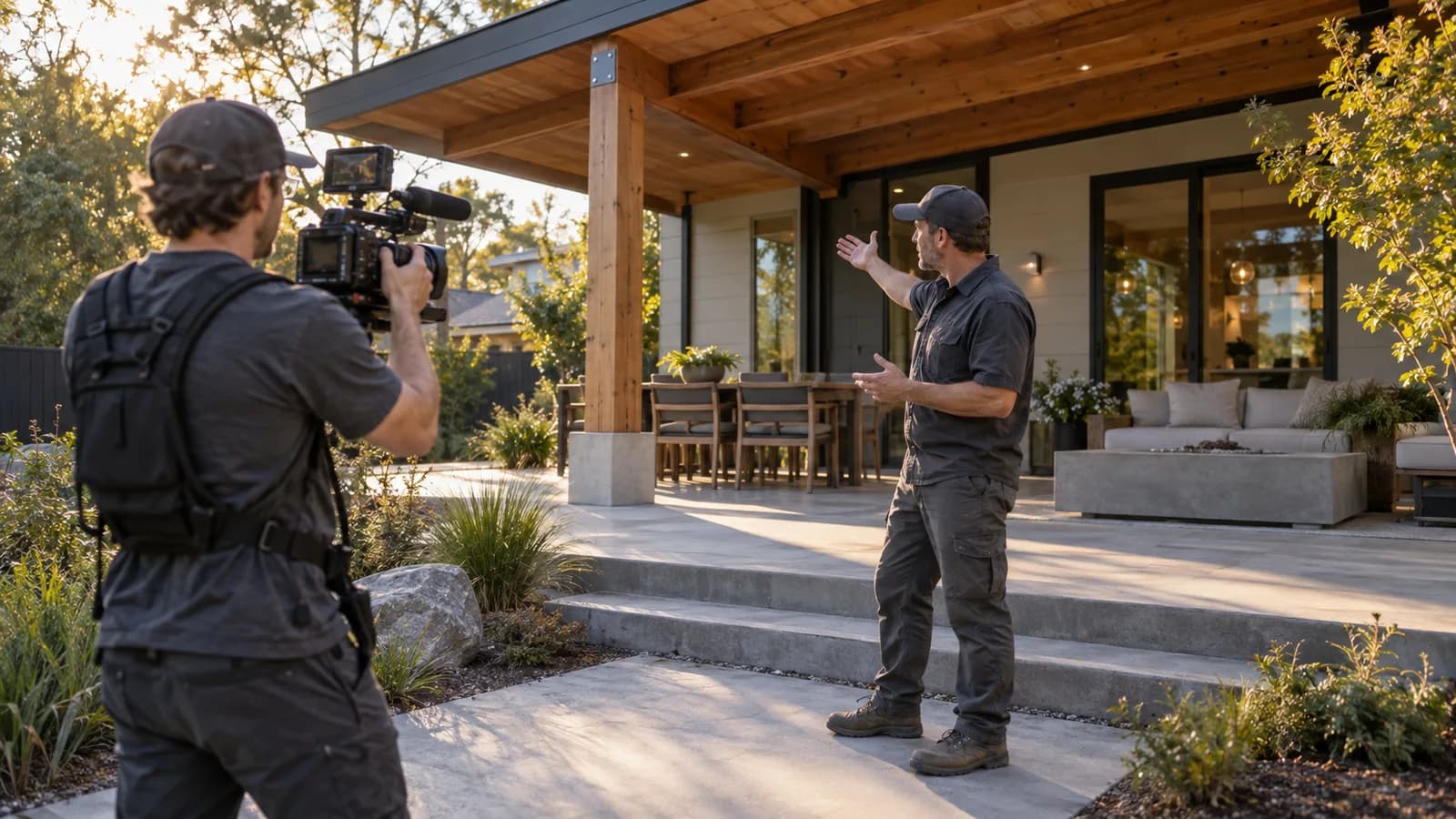
What to bring to the brief
Bring a real demonstration, approved claims and the exact service being advertised. Capture clean close-ups and an understandable spoken explanation. Design captions and framing around the agreed placements.
Video ad production services in Phoenix turn your real footage and customer questions into creative designed for a specific advertising test.
Bring the offer, target service area, landing page, footage and any platform restrictions. We confirm whether filming, editing, ad setup and ongoing management are part of the same engagement or separately scoped.
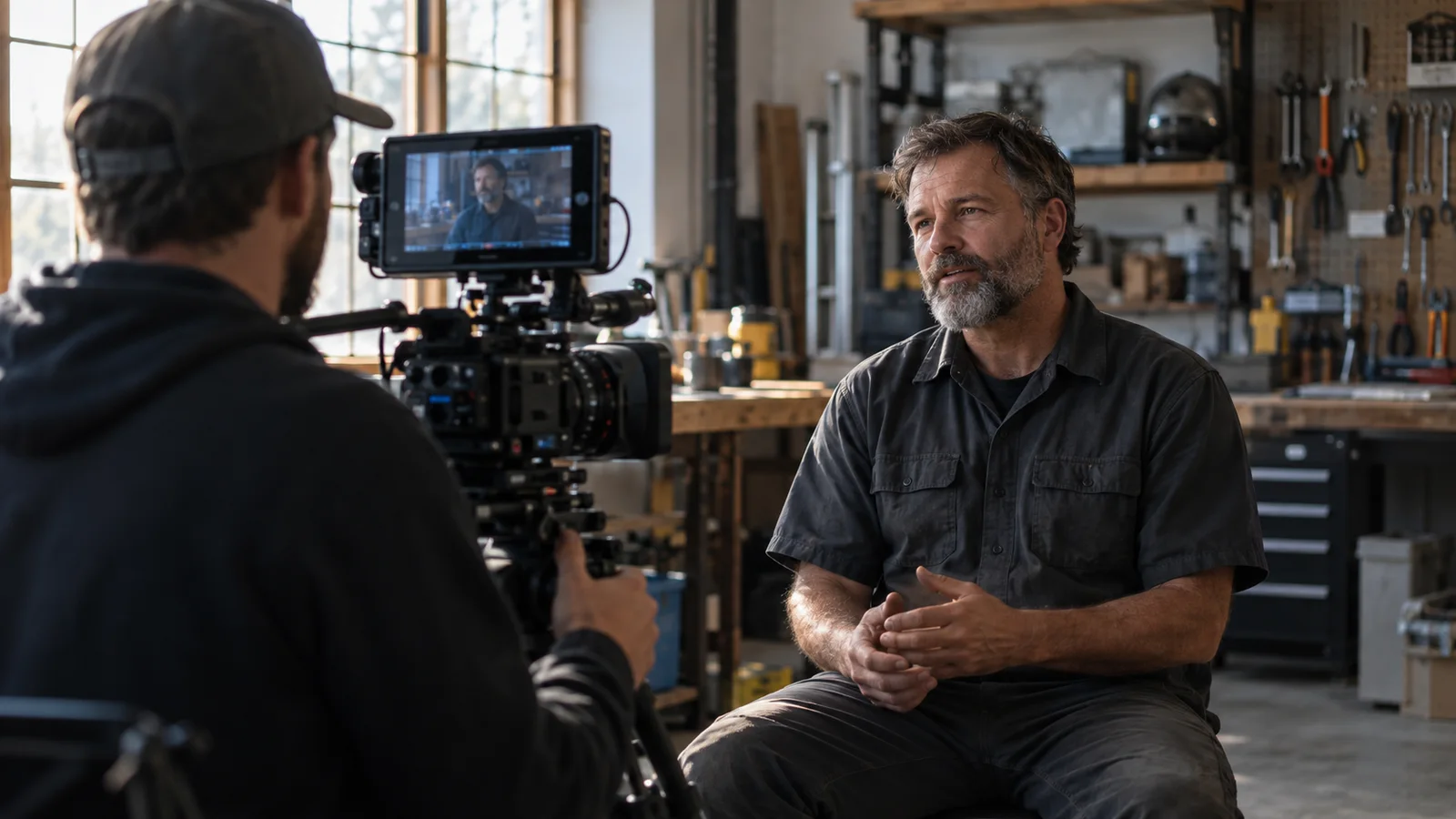
Website video / Social clips / Ad creative
Start with one decision the viewer needs to make. We identify the problem, show relevant evidence and explain the next step. Versions change an intentional variable, such as the opening question or offer, so the campaign review has something useful to compare.
Phoenix uses urban villages as part of its planning geography. Encanto, Alhambra and Ahwatukee Foothills are useful place references for discussing a focused campaign, but they are not promises of precise ad-delivery boundaries.
Start with the East Valley, central Phoenix or a northwest cluster rather than the entire Valley at once. Use your professional’s explanation of the service to make outdoor project footage useful. An East Valley customer story can establish context without suggesting that every Valley household has the same needs.
Plan outdoor footage around the crew’s actual conditions, with shade and an indoor interview available. Group Mesa and Chandler stops together when those are the real project locations instead of adding a distant Glendale stop for variety.
Explore the Phoenix marketing plan →Create one opening led by the customer’s question and another led by a visible project detail. Keep the offer and destination consistent so the creative comparison has a clear purpose.
For an Alhambra campaign, give the advertised service a concrete shape: what the appointment covers, what the customer prepares and what happens next. A local label is more useful when it accompanies those details.
Compare a team introduction with a short process demonstration using the same offer. Review the actual property areas and service requests of respondents before broadening the campaign.
City of Phoenix urban villages →Bring a real demonstration, approved claims and the exact service being advertised. Capture clean close-ups and an understandable spoken explanation. Design captions and framing around the agreed placements.
Define the action the ad asks for before editing. A request for a site assessment needs a different promise from a recurring-service inquiry; the landing page should explain that distinction.
Proposed approach, not a completed client project. We build the final brief around your real work and agreed coverage.
One project walkthrough could support an owner-led explanation, a process-led cut and a concise finished-project version. The underlying project stays the same, and the campaign tests which explanation earns a more useful response.
For the next step, connect the real project footage to a clear inquiry page and a response process your team can support.
Evaluate creative alongside the audience, spend and destination. Use available watch and click data to learn about attention, then review actual inquiry quality before treating a cheaper click as an improvement.
Views, leads and confirmed sales tell different parts of the story. Available reporting depends on account access and setup. Complete customer attribution and AI call handling remain in development.
See current reporting availability →Good to know
Bring the offer, target service area, landing page, footage and any platform restrictions. We confirm whether filming, editing, ad setup and ongoing management are part of the same engagement or separately scoped. For this market: Use your professional’s explanation of the service to make outdoor project footage useful. An East Valley customer story can establish context without suggesting that every Valley household has the same needs.
Choose the accepted cities and relevant offer first. Use those details in production planning, service copy and inquiry questions, then review where requests actually originate before expanding. Start with one decision the viewer needs to make. We identify the problem, show relevant evidence and explain the next step. Versions change an intentional variable, such as the opening question or offer, so the campaign review has something useful to compare.
For a proposed project in Alhambra: Create one opening led by the customer’s question and another led by a visible project detail. Keep the offer and destination consistent so the creative comparison has a clear purpose. Compare a team introduction with a short process demonstration using the same offer. Review the actual property areas and service requests of respondents before broadening the campaign. This is a planning example, not a completed client project.
Evaluate creative alongside the audience, spend and destination. Use available watch and click data to learn about attention, then review actual inquiry quality before treating a cheaper click as an improvement. Ask for the project city early. A crew focused on the East Valley may handle a Chandler estimate differently from one in Glendale, so the inquiry path should make travel and scheduling visible.
Answer a few questions about your business, then choose a time to discuss your video ad production plan.
Agency fees and advertising spend are agreed separately. We confirm scope, coverage and delivery before work starts.