Share your services, areas covered, working hours, existing account and website. We agree the campaign budget, management scope and who responds to calls or forms before the first test.
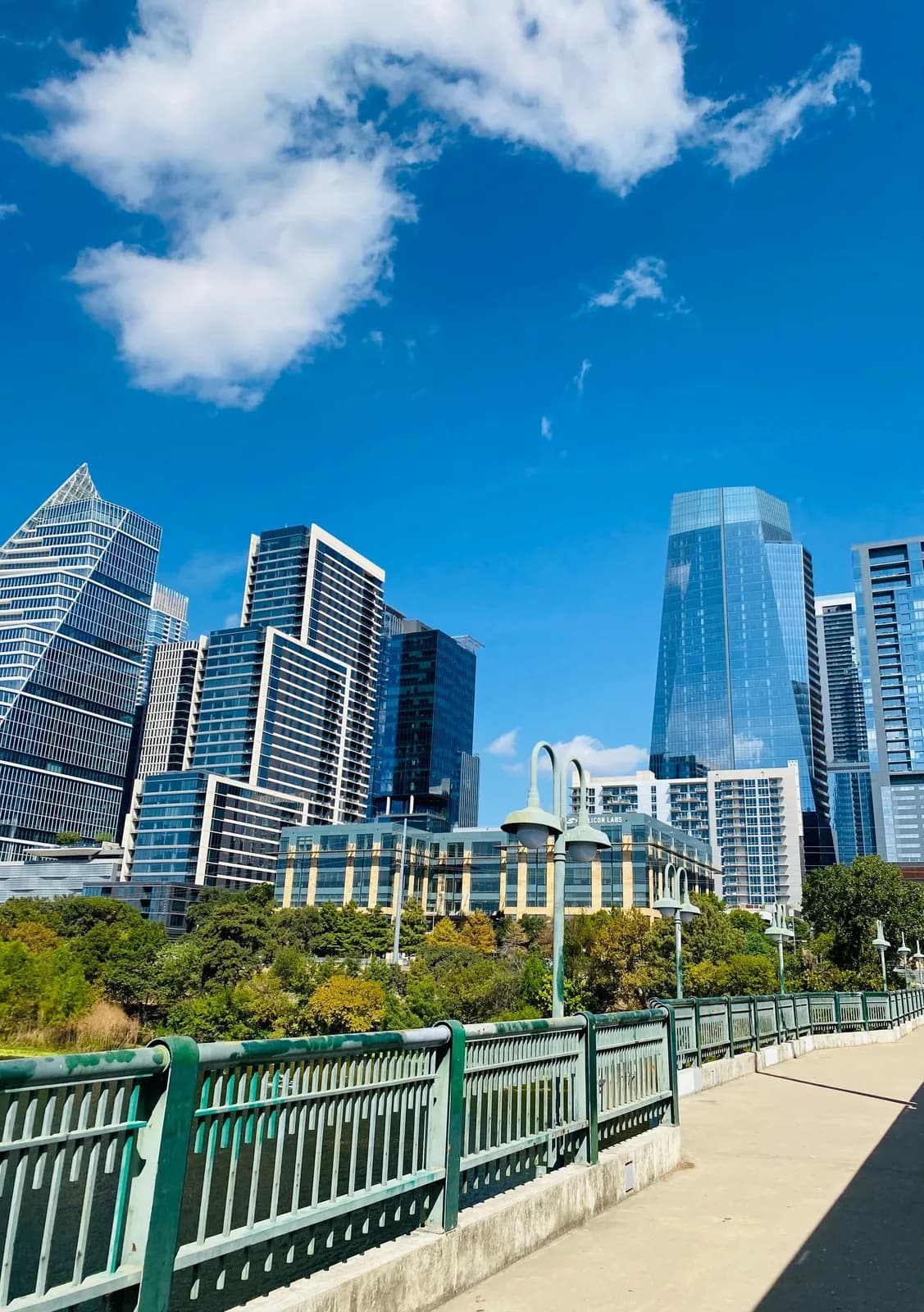
AI-generated illustration. Not a client photograph or a completed project.
Make the next step clear
From interest to a conversation.
Relevant contentAnswer the customer’s question.
A clear service pageExplain the offer and service area.
A real conversationConfirm scope and the next step.
What we can build together
We separate requests for your services from searches for jobs, training, free advice or products you do not sell. Ads and landing pages describe the same work and territory. Account permissions, billing and measurement are checked before launch.
01
A service and search-intent plan with exclusions to discuss
02
Campaign setup, ad copy and budget management within agreed scope
03
Search-term, destination and available lead-quality review
Your service area
A practical plan for Austin
Hyde Park, Mueller and South Congress support different kinds of Austin business stories. Use the real project and customer journey to decide whether the content explains work at a property, introduces a team or invites a visit.
Choose Austin proper, a north metro cluster or a south-side territory around the work your team actually accepts. Explain Austin coverage with the actual suburban clusters included. Distinct service questions and real project context should guide page content, rather than making a separate near-copy for every city name.
Plan Round Rock and Cedar Park jobs together when the north metro is the priority. A south Austin stop belongs in the schedule only when it adds a distinct story and leaves enough time for the interview and detail shots.
Separate the service request from the location label
List the jobs customers can actually book and the places your team serves. Keep repair, replacement and commercial requests distinct where the offer or response process differs.
Why the local setting matters
South Congress is a recognizable commercial corridor. If your business welcomes visitors, explain how the service works at the premises; if your team travels to properties, make that difference clear before the viewer follows the link.
Choose a visitor or service-call objective and write the next step accordingly. Keep operating hours, appointment requirements and the actual destination easy to find.
Bring current service pages, response hours and examples of unsuitable inquiries. Review search intent before adding more geographic phrases. A search containing a neighborhood name does not establish where the searcher or property is located.
Make the next step useful
Send a relevant request to a page that explains the matching scope and asks for property location. Review actual search terms and lead quality before extending the campaign territory.
Proposed approach, not a completed client project. We build the final brief around your real work and agreed coverage.
A useful starting point
Put the offer into context
A company selling installations may need different ads and qualification from one handling small repairs. The campaign should direct each relevant query to an appropriate explanation and next step, with irrelevant search terms reviewed over time.
Review search terms, spend and available conversion evidence alongside actual lead quality. A platform conversion can represent a call or form rather than a sale. Agency management is available; in-app reporting depends on connection setup.
Views, leads and confirmed sales tell different parts of the story. Available reporting depends on account access and setup. Complete customer attribution and AI call handling remain in development.
Share your services, areas covered, working hours, existing account and website. We agree the campaign budget, management scope and who responds to calls or forms before the first test. For this market: Explain Austin coverage with the actual suburban clusters included. Distinct service questions and real project context should guide page content, rather than making a separate near-copy for every city name.
Can an Austin plan begin with Round Rock and Cedar Park when arranging google ads?+
Yes, when those cities match the business’s service territory. Center the project examples, campaign wording and qualification around that cluster, and agree any broader Austin coverage separately. We separate requests for your services from searches for jobs, training, free advice or products you do not sell. Ads and landing pages describe the same work and territory. Account permissions, billing and measurement are checked before launch.
What could a South Congress project contribute to our google ads?+
For a proposed project in South Congress: List the jobs customers can actually book and the places your team serves. Keep repair, replacement and commercial requests distinct where the offer or response process differs. Choose a visitor or service-call objective and write the next step accordingly. Keep operating hours, appointment requirements and the actual destination easy to find. This is a planning example, not a completed client project.
How should we evaluate google ads in Austin?+
Review search terms, spend and available conversion evidence alongside actual lead quality. A platform conversion can represent a call or form rather than a sale. Agency management is available; in-app reporting depends on connection setup. Confirm property location and project scope together. A request from a distant part of the metro may need a different appointment slot or travel decision than work near the crew’s normal route.
Let’s talk about the work
Build your Austin plan.
Answer a few questions about your business, then choose a time to discuss your google ads plan.
Agency fees and advertising spend are agreed separately. We confirm scope, coverage and delivery before work starts.
Local work. A bigger presence.
Based in Seattle. Serving businesses across the US.