What to bring to the brief
Use an actual appointment or an explicitly staged process demonstration with permission. Have your qualified team review equipment terminology and avoid savings or comfort promises that the project cannot substantiate.
HVAC marketing in Seattle connects heating and cooling expertise with original videos, service content and advertising for the appointments your team wants.
Ask whether the customer needs maintenance, repair or an installation estimate, then confirm location and response timing. Your qualified team handles diagnosis and equipment recommendations.
Your people.
Your process.
Your point of view.
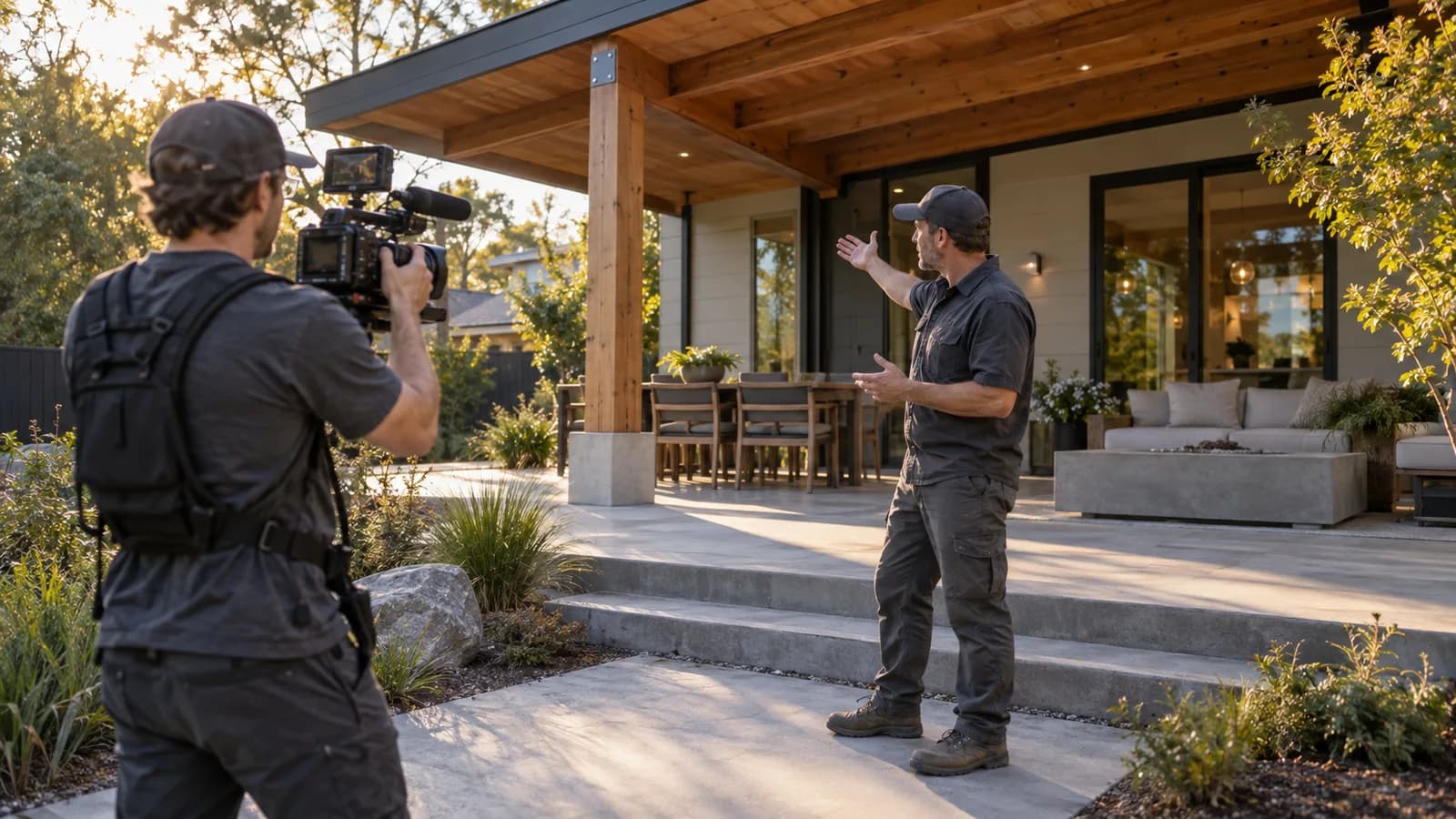
Record your technician explaining the questions a customer should ask before an estimate. Pair the interview with real work and a clear next step. Keep maintenance, repair and replacement messages distinct so the viewer reaches the right information.
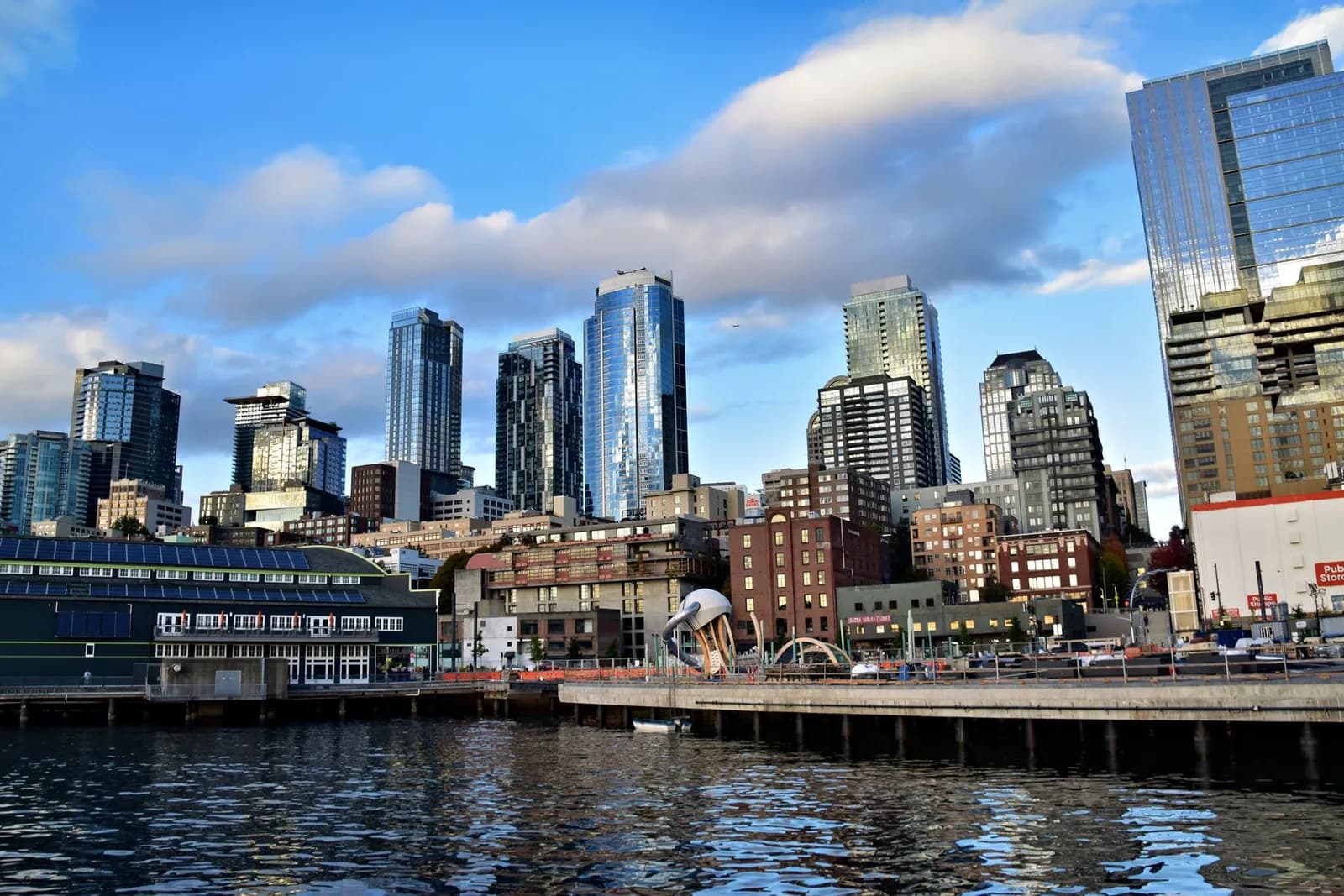
A Seattle plan can start in Ballard, Columbia City or West Seattle Junction. Choose the neighborhood around the work you can actually show, then build outward to the rest of your accepted service area.
Choose Seattle, the Eastside or a south Sound cluster before treating all of Puget Sound as one service area. Build separate explanations for the services you deliver in Seattle and the Eastside when the customer questions differ. A real Bellevue project can illustrate expertise without being presented as work completed in Ballard. Ask which city the property is in before scheduling an estimate. A Redmond inquiry and a Tacoma inquiry have different travel implications for a Seattle-based crew, even when both describe the same job.
A Ballard interview and a Bellevue project need a deliberate travel plan. Group nearby jobs, confirm parking and keep an indoor interview option for wet conditions. Do not spend a one-day shoot crossing the region for interchangeable shots.
Explore the Seattle marketing plan →Show how your technician gathers the customer’s concerns and explains the next step. Maintenance, repair and replacement content should answer different questions even when the same team handles all three.
Give West Seattle coverage a clear place in the offer. A visitor should be able to tell whether the team accepts their project before requesting an estimate; a broad Seattle headline alone leaves that question unanswered.
Agree whether West Seattle work belongs in the initial campaign and how those inquiries fit the crew’s schedule. Use a neighborhood field as helpful context, then confirm the actual property location privately.
City of Seattle neighborhood plans →Use an actual appointment or an explicitly staged process demonstration with permission. Have your qualified team review equipment terminology and avoid savings or comfort promises that the project cannot substantiate.
Ask for the requested service, property area and timing. Route a replacement estimate differently from an urgent repair, and state only the response availability the team can support.
Proposed approach, not a completed client project. We build the final brief around your real work and agreed coverage.
Ask whether the customer needs maintenance, repair or an installation estimate, then confirm location and response timing. Your qualified team handles diagnosis and equipment recommendations.
Do not invent energy savings, rebates, indoor-air health outcomes or financing terms. Your team approves technical and promotional claims before publication.
For the next step, connect the real project footage to a clear inquiry page and a response process your team can support.
Compare inquiry quality by job type and season, with booked appointments and completed installations recorded separately. Capacity and dispatch availability matter as much as raw lead count.
Views, leads and confirmed sales tell different parts of the story. Available reporting depends on account access and setup. Complete customer attribution and AI call handling remain in development.
See current reporting availability →Good to know
Ask whether the customer needs maintenance, repair or an installation estimate, then confirm location and response timing. Your qualified team handles diagnosis and equipment recommendations. Ask which city the property is in before scheduling an estimate. A Redmond inquiry and a Tacoma inquiry have different travel implications for a Seattle-based crew, even when both describe the same job.
A Ballard interview and a Bellevue project need a deliberate travel plan. Group nearby jobs, confirm parking and keep an indoor interview option for wet conditions. Do not spend a one-day shoot crossing the region for interchangeable shots. A useful starting story: a technician answering a common maintenance question. Do not invent energy savings, rebates, indoor-air health outcomes or financing terms. Your team approves technical and promotional claims before publication.
For a proposed project in West Seattle Junction: Show how your technician gathers the customer’s concerns and explains the next step. Maintenance, repair and replacement content should answer different questions even when the same team handles all three. Agree whether West Seattle work belongs in the initial campaign and how those inquiries fit the crew’s schedule. Use a neighborhood field as helpful context, then confirm the actual property location privately. This is a planning example, not a completed client project.
Keep Seattle, Bellevue and Tacoma service coverage explicit. Link relevant project explanations to the services actually offered in those places, without inventing branch offices to support the geographic wording. Record your technician explaining the questions a customer should ask before an estimate. Pair the interview with real work and a clear next step. Keep maintenance, repair and replacement messages distinct so the viewer reaches the right information.
Answer a few questions about your business, then choose a time to discuss your hvac marketing plan.
Agency fees and advertising spend are agreed separately. We confirm scope, coverage and delivery before work starts.