What to bring to the brief
Bring the real project sequence and your plumber’s approved description. Explain what a customer can prepare for the visit without diagnosing an unseen property or promising a fixed arrival time.
Plumber marketing in Seattle uses real job footage, clear service explanations and focused campaigns to help customers understand your plumbing business and request the right service.
Separate urgent service from planned installations. Capture the service address area, problem category and preferred timing without promising arrival times your dispatch team cannot support.
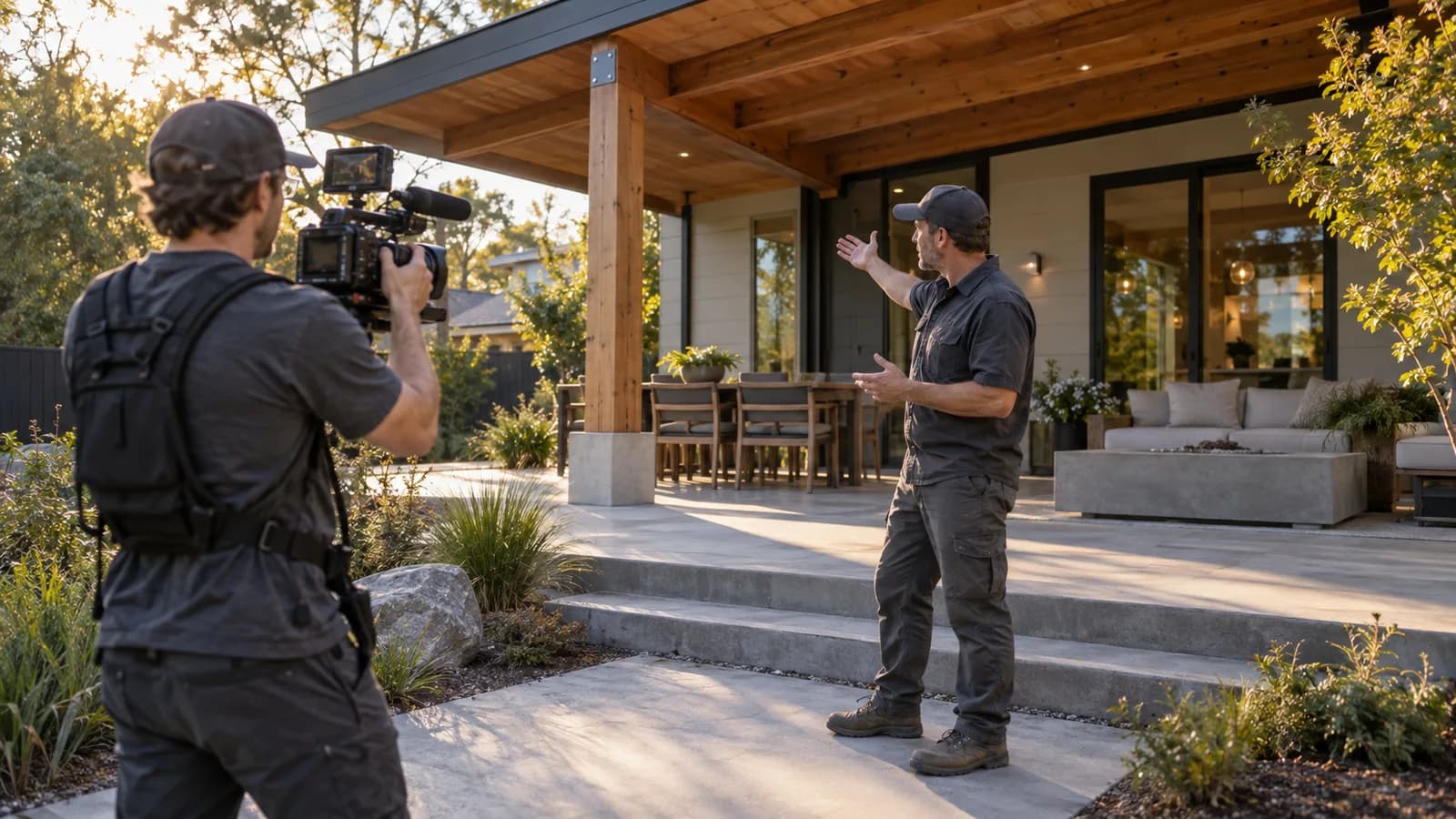
Your people.
Your process.
Your point of view.
A plumber can explain what an appointment involves without diagnosing a stranger’s problem through a video. Show arrival, protection of the property, the professional assessment and the finished work. Connect each explanation to the correct service and inquiry path.
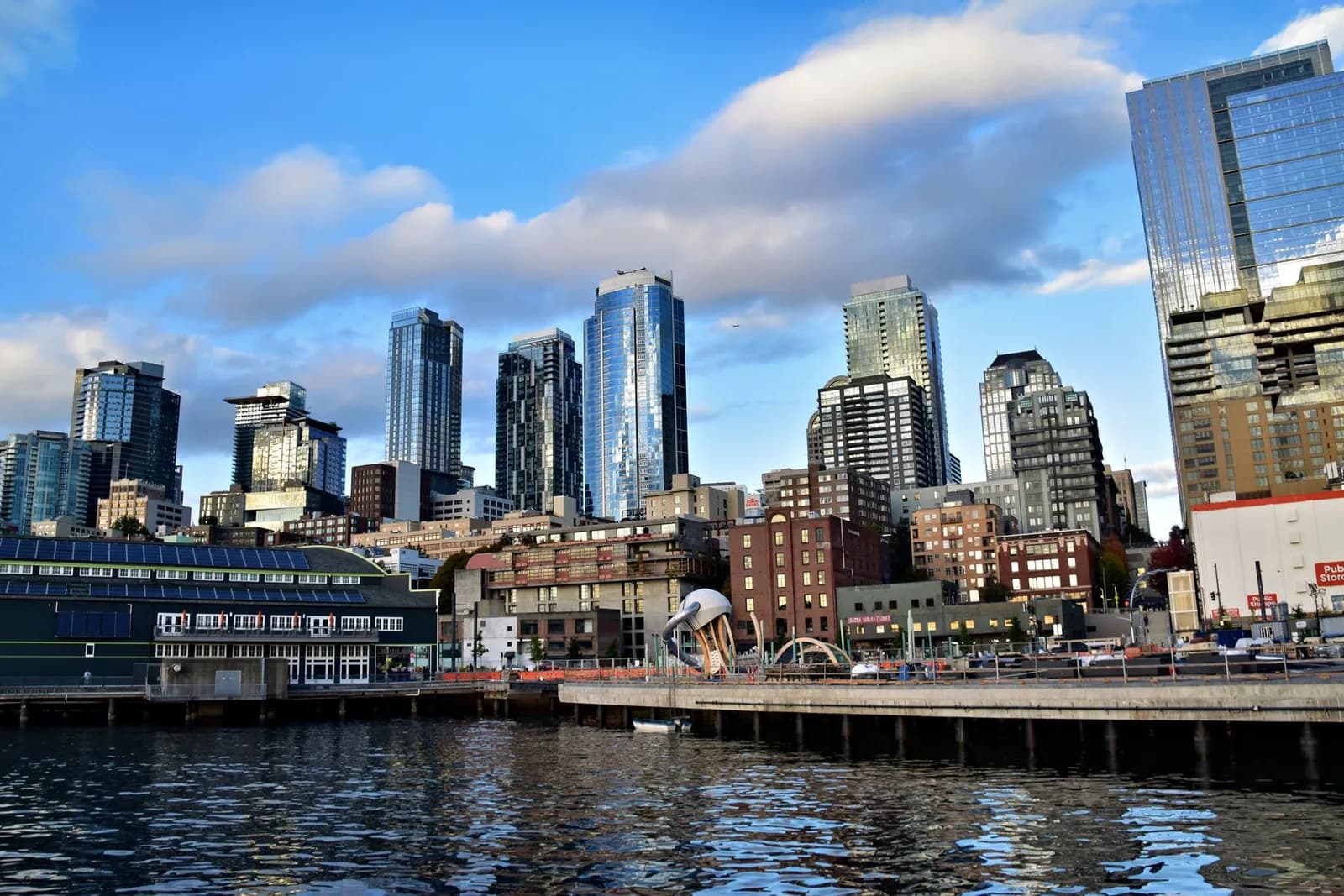
A Seattle plan can start in Ballard, Columbia City or West Seattle Junction. Choose the neighborhood around the work you can actually show, then build outward to the rest of your accepted service area.
Choose Seattle, the Eastside or a south Sound cluster before treating all of Puget Sound as one service area. Build separate explanations for the services you deliver in Seattle and the Eastside when the customer questions differ. A real Bellevue project can illustrate expertise without being presented as work completed in Ballard. Ask which city the property is in before scheduling an estimate. A Redmond inquiry and a Tacoma inquiry have different travel implications for a Seattle-based crew, even when both describe the same job.
A Ballard interview and a Bellevue project need a deliberate travel plan. Group nearby jobs, confirm parking and keep an indoor interview option for wet conditions. Do not spend a one-day shoot crossing the region for interchangeable shots.
Explore the Seattle marketing plan →Build a project story around the customer’s original problem, the plumber’s explanation of the options and the completed work. A planned water-heater or fixture replacement gives room to explain decisions that a short emergency message cannot.
Use a Ballard project to explain the work behind a finished result. A short interview at the business and detail footage from an approved nearby job can give the story a specific setting without turning it into a neighborhood travel video.
Ask which customer decision the project demonstrates, where the interview can be recorded clearly and whether a second stop adds a genuinely different explanation.
City of Seattle neighborhood plans →Bring the real project sequence and your plumber’s approved description. Explain what a customer can prepare for the visit without diagnosing an unseen property or promising a fixed arrival time.
Let visitors identify the service type, property area and preferred timing. Make response hours visible so a request outside those hours does not look like a confirmed dispatch.
Proposed approach, not a completed client project. We build the final brief around your real work and agreed coverage.
Separate urgent service from planned installations. Capture the service address area, problem category and preferred timing without promising arrival times your dispatch team cannot support.
Describe actual response hours, licensing and scope accurately. Do not turn a filming example into an unsupported diagnosis or guaranteed repair price.
For the next step, connect the real project footage to a clear inquiry page and a response process your team can support.
Review relevant calls, estimate appointments and completed work separately. An after-hours inquiry is only useful if the business has an agreed response process.
Views, leads and confirmed sales tell different parts of the story. Available reporting depends on account access and setup. Complete customer attribution and AI call handling remain in development.
See current reporting availability →Good to know
Separate urgent service from planned installations. Capture the service address area, problem category and preferred timing without promising arrival times your dispatch team cannot support. Ask which city the property is in before scheduling an estimate. A Redmond inquiry and a Tacoma inquiry have different travel implications for a Seattle-based crew, even when both describe the same job.
A Ballard interview and a Bellevue project need a deliberate travel plan. Group nearby jobs, confirm parking and keep an indoor interview option for wet conditions. Do not spend a one-day shoot crossing the region for interchangeable shots. A useful starting story: a water-heater replacement with options explained by your plumber. Describe actual response hours, licensing and scope accurately. Do not turn a filming example into an unsupported diagnosis or guaranteed repair price.
For a proposed project in Ballard: Build a project story around the customer’s original problem, the plumber’s explanation of the options and the completed work. A planned water-heater or fixture replacement gives room to explain decisions that a short emergency message cannot. Ask which customer decision the project demonstrates, where the interview can be recorded clearly and whether a second stop adds a genuinely different explanation. This is a planning example, not a completed client project.
Keep Seattle, Bellevue and Tacoma service coverage explicit. Link relevant project explanations to the services actually offered in those places, without inventing branch offices to support the geographic wording. A plumber can explain what an appointment involves without diagnosing a stranger’s problem through a video. Show arrival, protection of the property, the professional assessment and the finished work. Connect each explanation to the correct service and inquiry path.
Answer a few questions about your business, then choose a time to discuss your plumber marketing plan.
Agency fees and advertising spend are agreed separately. We confirm scope, coverage and delivery before work starts.