What to bring to the brief
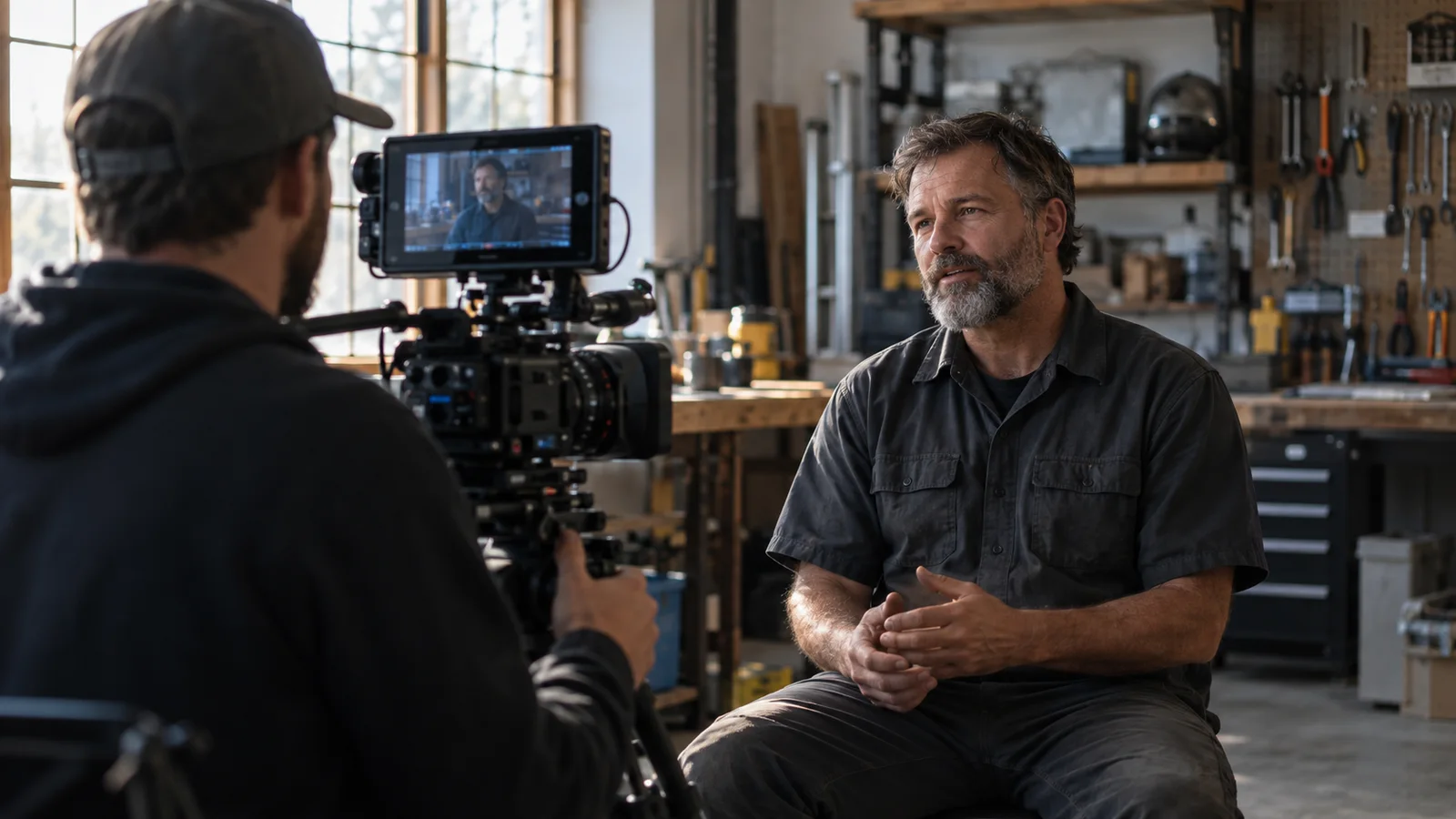
Bring an approved location, a person who can explain the work and permission to film. Capture a wide view, the working detail and the finished result; record the interview somewhere the words are easy to hear.
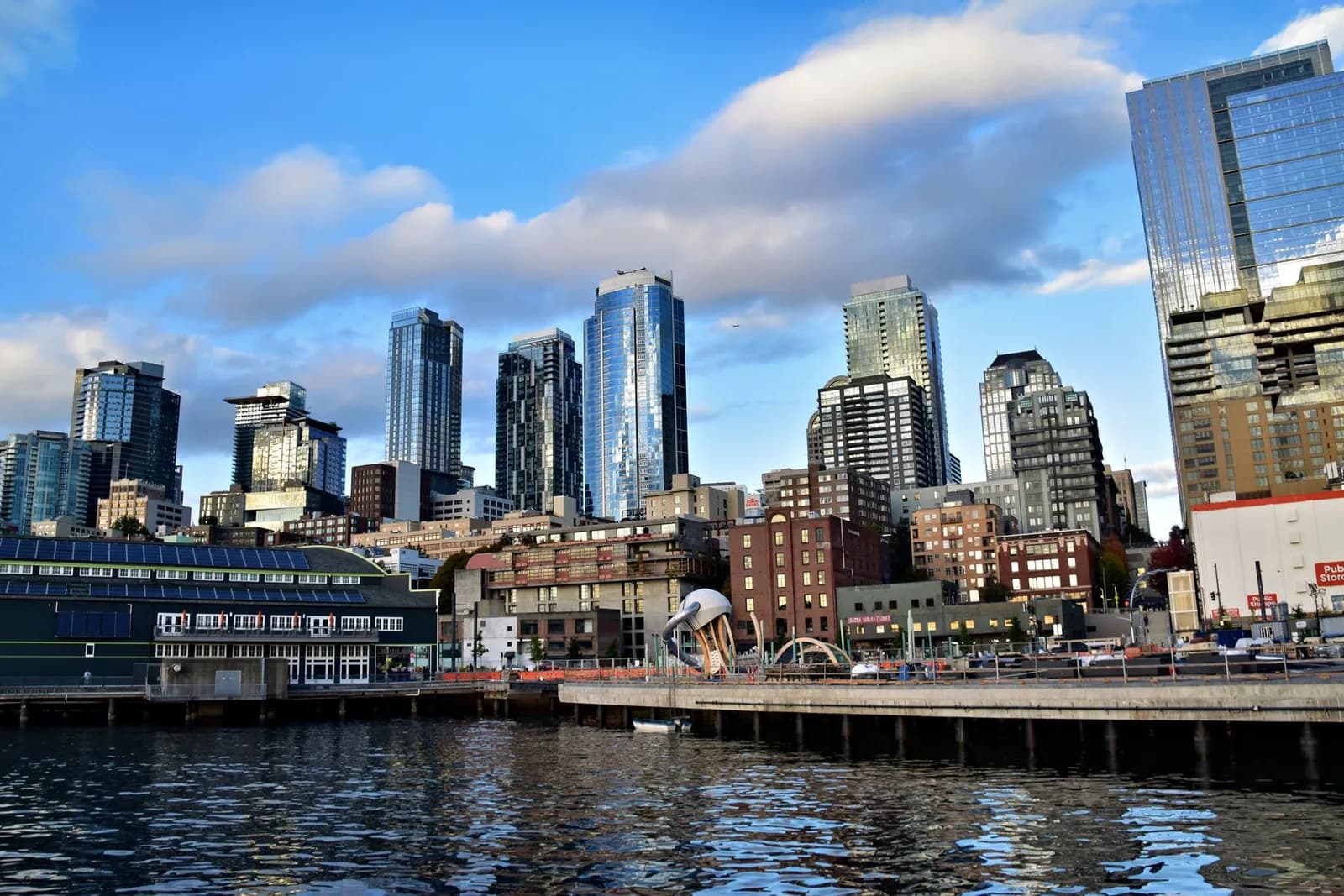
As a video production company serving Seattle, our team helps business owners turn real work into useful videos for their website, social accounts and advertising.
Send the shoot location, number of job sites, preferred dates, people available on camera and where the finished videos will run. Travel, sound, access and editing requirements shape the quote.
Your people.
Your process.
Your point of view.
Start with the service you want to sell and the evidence a customer needs to choose you. We plan the interview, filming permissions, travel and production schedule before the shoot. Editing scope and the delivery calendar are agreed in the proposal.
A Seattle plan can start in Ballard, Columbia City or West Seattle Junction. Choose the neighborhood around the work you can actually show, then build outward to the rest of your accepted service area.
Choose Seattle, the Eastside or a south Sound cluster before treating all of Puget Sound as one service area. A Ballard interview and a Bellevue project need a deliberate travel plan. Group nearby jobs, confirm parking and keep an indoor interview option for wet conditions. Do not spend a one-day shoot crossing the region for interchangeable shots.
Build separate explanations for the services you deliver in Seattle and the Eastside when the customer questions differ. A real Bellevue project can illustrate expertise without being presented as work completed in Ballard.
Explore the Seattle marketing plan →Choose a real project where the owner can explain a choice the customer faced. Record the question, the alternatives and the reason for the final approach. A clear story is more useful than a day of unrelated beauty shots.
Use a Ballard project to explain the work behind a finished result. A short interview at the business and detail footage from an approved nearby job can give the story a specific setting without turning it into a neighborhood travel video.
Ask which customer decision the project demonstrates, where the interview can be recorded clearly and whether a second stop adds a genuinely different explanation.
City of Seattle neighborhood plans →Bring an approved location, a person who can explain the work and permission to film. Capture a wide view, the working detail and the finished result; record the interview somewhere the words are easy to hear.
Agree where the film will be used before choosing its length and framing. A website explanation and a short social introduction can share source footage while answering different questions.
Proposed approach, not a completed client project. We build the final brief around your real work and agreed coverage.
An owner can explain what happens during an estimate while the camera records the inspection, preparation and finished work. That story can become a website introduction, a longer explanation and short social clips. The footage comes from your business, with customer permission.
For the next step, connect the real project footage to a clear inquiry page and a response process your team can support.
Judge the finished work against the brief first: clear explanation, usable audio and the agreed formats. When you distribute it, review available watch time, website visits and inquiries separately. A video view is not a booked job.
Views, leads and confirmed sales tell different parts of the story. Available reporting depends on account access and setup. Complete customer attribution and AI call handling remain in development.
See current reporting availability →Good to know
Send the shoot location, number of job sites, preferred dates, people available on camera and where the finished videos will run. Travel, sound, access and editing requirements shape the quote. For this market: A Ballard interview and a Bellevue project need a deliberate travel plan. Group nearby jobs, confirm parking and keep an indoor interview option for wet conditions. Do not spend a one-day shoot crossing the region for interchangeable shots.
Choose the side of the region that matters for the first engagement. Group project stops around that choice, then agree any cross-region travel and customer response expectations before expanding. Start with the service you want to sell and the evidence a customer needs to choose you. We plan the interview, filming permissions, travel and production schedule before the shoot. Editing scope and the delivery calendar are agreed in the proposal.
For a proposed project in Ballard: Choose a real project where the owner can explain a choice the customer faced. Record the question, the alternatives and the reason for the final approach. A clear story is more useful than a day of unrelated beauty shots. Ask which customer decision the project demonstrates, where the interview can be recorded clearly and whether a second stop adds a genuinely different explanation. This is a planning example, not a completed client project.
Judge the finished work against the brief first: clear explanation, usable audio and the agreed formats. When you distribute it, review available watch time, website visits and inquiries separately. A video view is not a booked job. Ask which city the property is in before scheduling an estimate. A Redmond inquiry and a Tacoma inquiry have different travel implications for a Seattle-based crew, even when both describe the same job.
Answer a few questions about your business, then choose a time to discuss your video production plan.
Agency fees and advertising spend are agreed separately. We confirm scope, coverage and delivery before work starts.